Sustainable agriculture starts with data the world can trust, compare, and act on.
HESTIA is for:
Access the world's largest harmonised dataset of farming practices and environmental outcomes. Publish your own data where it will be re-used thousands of times.
LCA models and data to integrate into your platform, covering GHGs, water, biodiversity, and more. They can be run locally and privately.
Independent, comparable data on the environmental impacts of food for benchmarking, target-setting, and monitoring progress at national and global scales.
HESTIA is foundational scientific infrastructure for the global food system — led by the University of Oxford, open source, and designed to scale outcome-based environmental management worldwide.
Explore data covering 150+ crops and animals
Greenhouse gas emissions (kg CO2 eq)
The effects of mixed greenhouse gases on the mid- to long-term climate (100 years), expressed relative to the warming caused by carbon dioxide (carbon dixoide equivalents).
10th percentile
90th percentile
mean
Our data cover production in 100+ countries
A common language for agricultural data
Schema
A comprehensive open-source format for representing agricultural practices and environmental outcomes. Defines how data are structured across farms, products, and supply chains.
Explore the schemaGlossary
409,000+ standardised terms ensuring everyone uses the same vocabulary — from crop types and input categories to environmental indicators and measurement units.
Browse the glossaryInteroperable
Exchange data across organisations, tools, and research projects without reformatting.
Validated
Our validation pipeline catches errors and inconsistencies before data enter the platform.
Comparable
Standardised terms, system boundaries, and functional units mean data from any source can be compared.
Machine-readable
JSON-LD format integrates directly into software, APIs, and automated workflows.
Calculation tools built on leading environmental standards
Our free, open-source models quantify multi-indicator environmental outcomes using Life Cycle Assessment methods. They are compliant with major global standards.
GHG Protocol LSRG
Land sector and removals guidance for corporate and product-level greenhouse gas accounting.
EU Environmental Footprint
The European Commission's method for measuring product and organisation environmental performance.
ISO 14040 / 14044
International standards for Life Cycle Assessment — principles, framework, and requirements.
IPCC 2019 Guidelines
Refinement of the 2006 guidelines for national greenhouse gas inventories — the global standard for emissions factors.
Environmental outcomes we quantify
Full multi-indicator environmental assessments for any farm or food product.
Every other major sector of the economy has infrastructure to measure its environmental impacts.
Food has almost nothing.
Food production depends on living systems — soils, water cycles, pollinators, nutrient flows — yet we have almost no systematic way of measuring how farming practices affect them. Energy has smart meters. Finance has accounting standards. Aviation has emissions reporting. Food — the industry that reshapes more of the planet's surface than any other — has no shared language, no common database, and no way to answer basic questions about how to improve its performance.
Carbon markets, sustainability labels, regenerative agriculture, public procurement reform — every major effort to fix food systems is bottlenecked by the same thing: there is a huge lack of critical data, or the data are incomparable. HESTIA changes all of this.
In the field
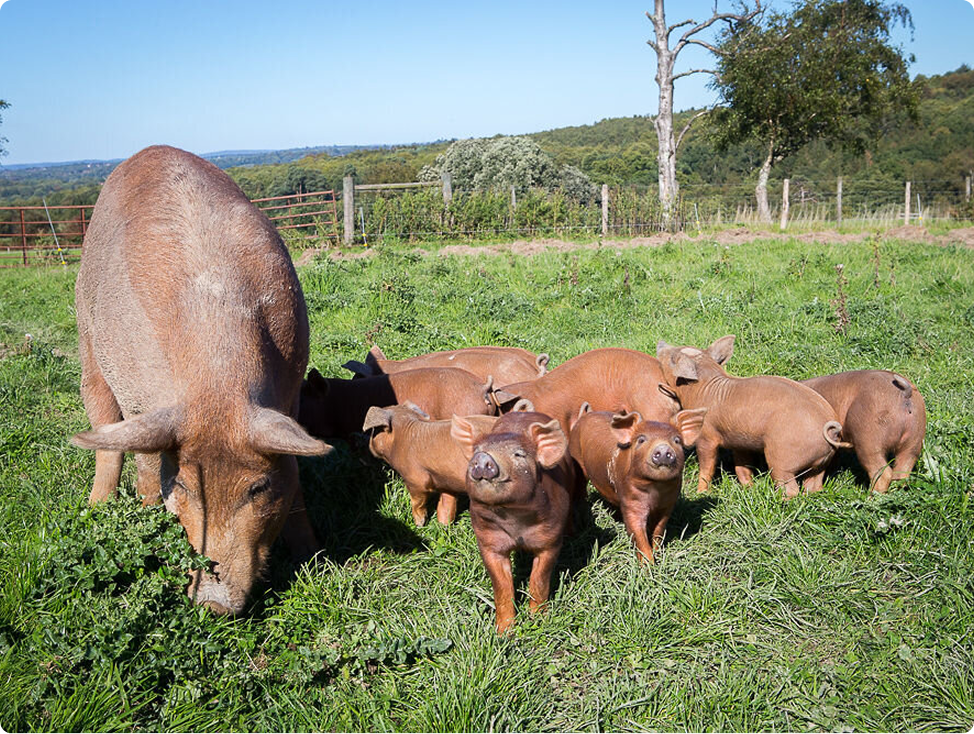
Europe
Large-sample randomised controlled trial testing whether our farm sustainability toolkit changes environmental practices among pig farmers.
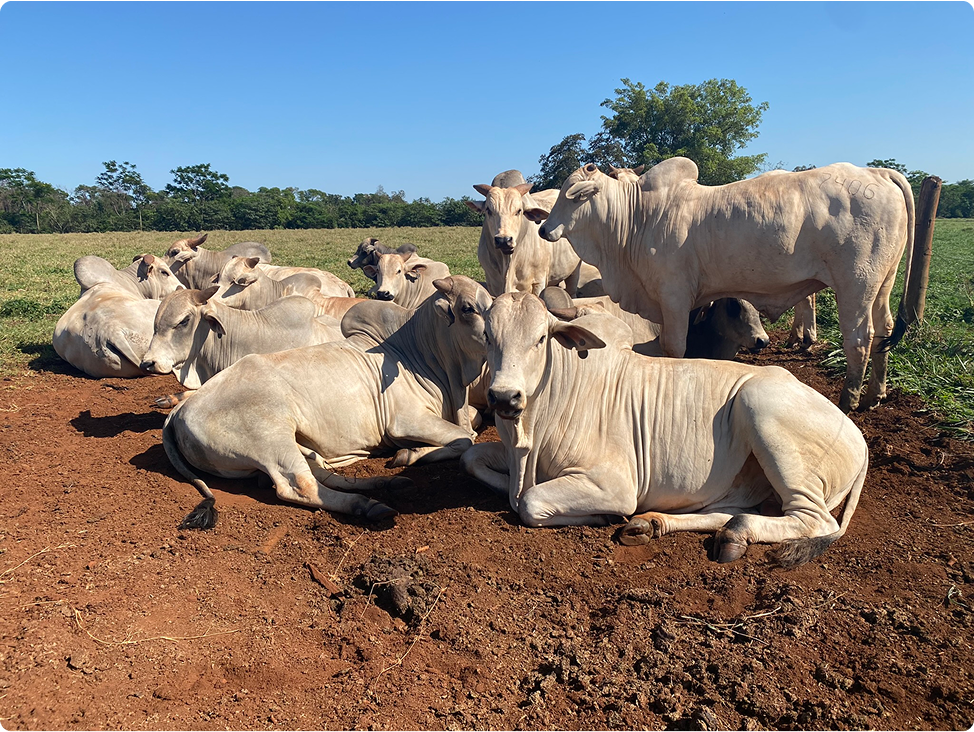
Brazil
With the University of São Paulo, working with ~100 beef farmers to measure and reduce the sustainability impacts of Brazilian cattle production.
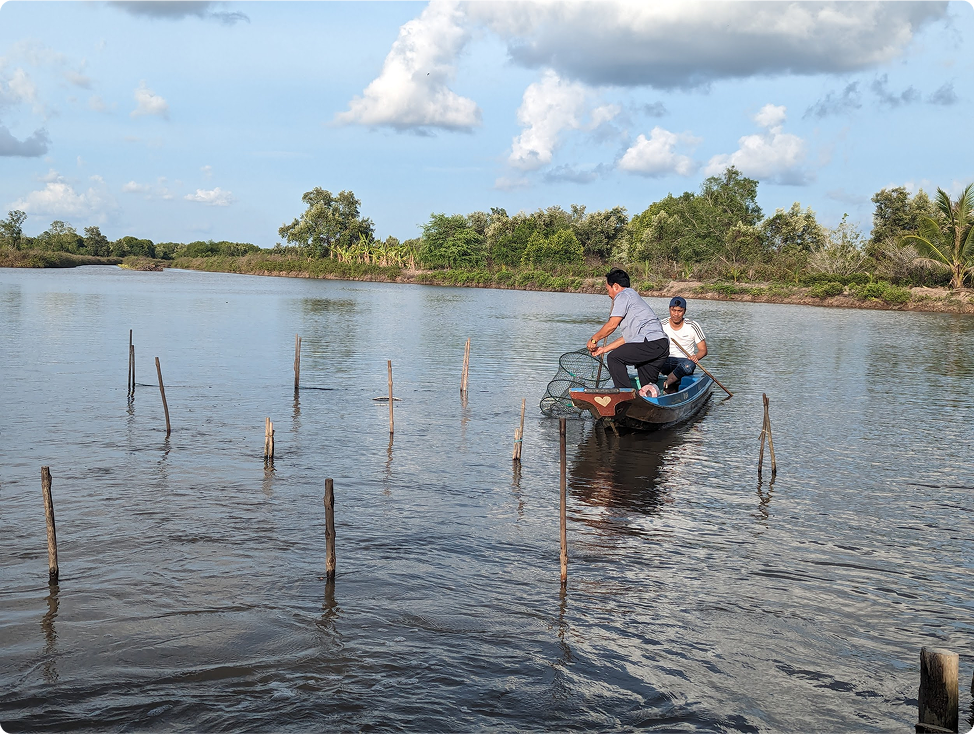
Vietnam
RCT with PanNature and 1,000 coffee farmers in the central highlands, testing whether environmental outcome data changes attitudes and practices.
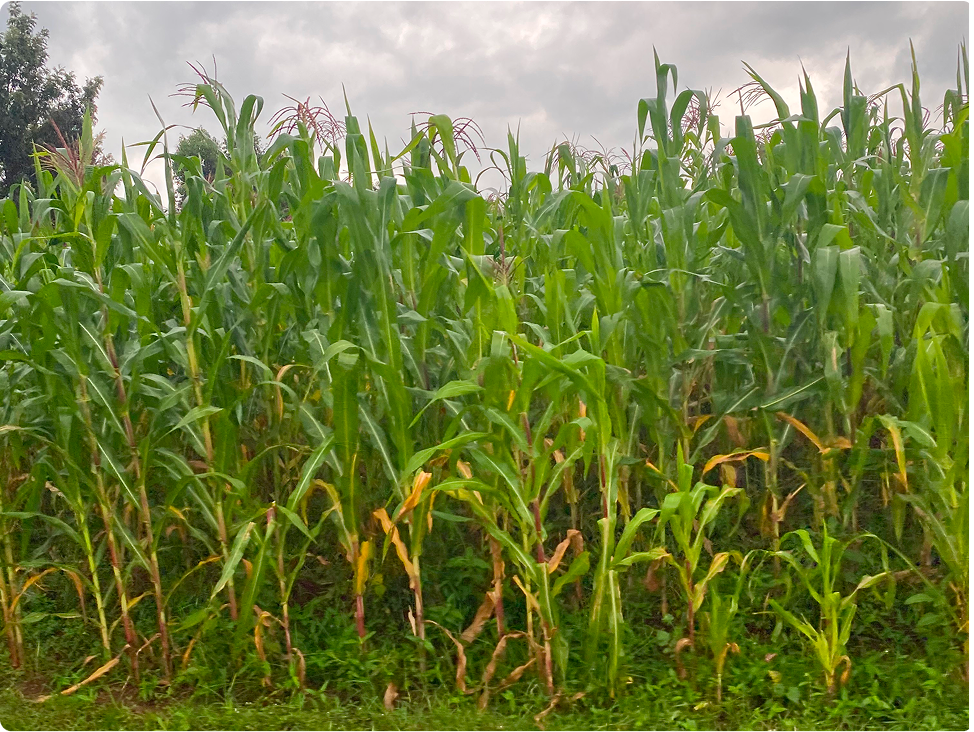
Kenya
Randomised controlled trial with Strathmore University, measuring the effect of environmental data on Kenyan coffee farming practices.
Our partners





















Get involved
Building the evidence base for sustainable food systems
We have built a major modelling toolkit, tested it on thousands of farming cycles, and our open data are accumulating. Join our collaborative effort to transform the food system.
Use the tools
Everything is free and open source. Explore the data, run environmental assessments, adopt the standard.
ExplorePublish your data
Your data are re-used thousands of times worldwide, not left in supplementary materials. Major contributors are invited to co-author publications with our team.
Publish on HESTIAGet early access
HESTIA data become public after 6 months. However we provide access to the very latest versions of the HESTIA dataset, including newly validated data before each public release, to those who contribute funding, data, or open-source code.
Get accessFund our work
High-leverage, pre-competitive, foundational work that makes every sustainability intervention more effective. Find out more about our impact.
Contact us